

Your EV motor needs to be light and run cool. The wrong housing material leads to overheating and reduced range, compromising the entire vehicle’s performance and reliability, a major concern for engineers.
Aluminum is the top choice for EV motor housings because it is lightweight, strong, and excellent at dissipating heat. The die casting process also allows for complex, integrated designs with cooling features, and its recyclability meets sustainability goals, making it the perfect all-around solution.
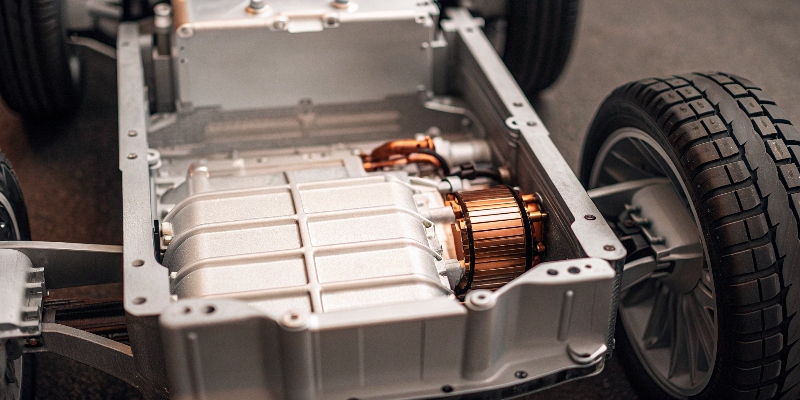
In my role, I work with Tier 1 suppliers from all over the world who are developing the next generation of electric drives. The choice of housing material is one of the first and most critical decisions they make. Time and again, aluminum proves to be the answer. It’s not just about one single benefit; it’s about how several key advantages come together to create the ideal housing. Let’s look at exactly what makes it so special for this application.
How Does Aluminum Make EV Motors Lighter and Stronger?
Heavy motor housings add weight, reducing EV range and efficiency. This extra mass puts more strain on the vehicle’s structure and battery, a major concern for engineers and project managers.
Aluminum has a superior strength-to-weight ratio, offering robust protection and structural integrity at about one-third the weight of steel. This significant weight reduction directly improves vehicle efficiency and extends driving range without compromising on safety or performance.
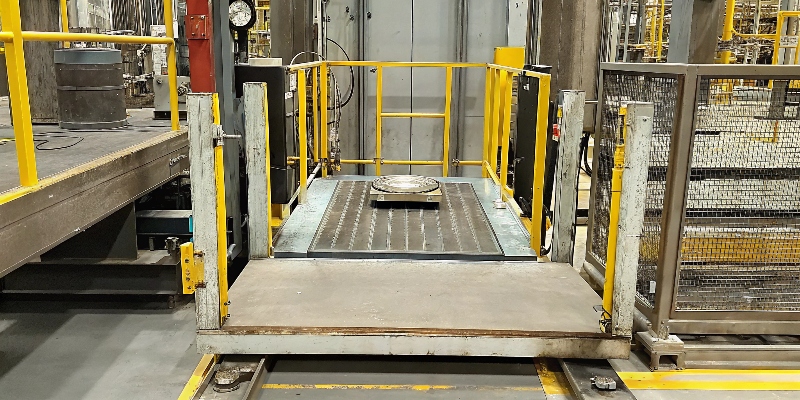
For electric vehicles, every kilogram counts. Vehicle mass is a direct enemy of driving range, and our customers are constantly pushing for lighter components. This is aluminum’s most obvious advantage. It provides the necessary strength to protect the motor’s sensitive internal components—the stator, rotor, and windings—from road shocks and vibrations, but at a fraction of the weight of steel. We often work with advanced aluminum alloys1 that are specifically engineered for high strength and durability. When combined with the design freedom of die casting, we can add ribs and gussets to place material strategically, creating a very rigid and strong structure without adding unnecessary bulk. I worked on a project where we transitioned a motor housing design from steel to aluminum, and the weight savings on that single component contributed to a nearly 5-kilometer increase in the vehicle’s total range. That’s a tangible benefit that every EV driver understands.
Why is Superior Thermal Conductivity So Critical?
Electric motors generate intense heat during operation, especially during rapid acceleration or heavy loads. If this heat isn’t managed effectively, the motor’s performance degrades, and its internal components can be permanently damaged.
Aluminum is an excellent thermal conductor, naturally pulling heat away from the motor’s core. The die casting process enhances this by allowing for the integration of complex cooling fins or liquid cooling channels directly into the housing design.
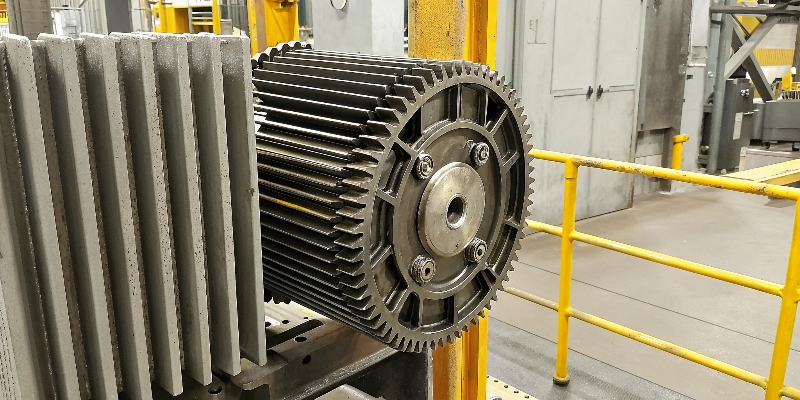
Heat is the primary enemy of an electric motor’s efficiency and longevity. The windings inside the motor can get incredibly hot, and this heat must be removed quickly. Aluminum’s natural ability to conduct heat is a huge advantage over steel. However, the real engineering magic happens when we leverage the die casting process. We can design and cast a housing that is not just a protective shell, but an active part of the thermal management system. For air-cooled motors, we cast intricate fins on the exterior surface. These fins dramatically increase the surface area, allowing heat to radiate away more effectively. For high-performance liquid-cooled motors, we can cast complex, leak-proof channels directly into the walls of the housing. This allows coolant to flow through the housing itself, drawing heat directly from the motor’s stator. This high level of integration is something I discuss with my customers’ engineering teams daily. It’s a perfect synergy of material property and manufacturing process.
Heat Dissipation Comparison
| Material | Thermal Conductivity (W/mK) | Cooling Integration Potential |
|---|---|---|
| Aluminum Alloy (A380) | ~96 | Excellent (fins, channels) |
| Carbon Steel | ~54 | Poor (requires separate heat sink) |
| Cast Iron | ~52 | Poor (requires separate heat sink) |
Will an Aluminum Housing Stand Up to Corrosion?
Motor housings are often mounted low on a vehicle’s chassis, exposing them to water, road salt, and debris. You need a housing that can withstand this harsh environment for the life of the vehicle without corroding or failing.
Yes, aluminum naturally forms a protective oxide layer that resists corrosion. For the extremely harsh underbody environment of a vehicle, die-cast aluminum parts can be treated with advanced surface finishes like powder coating or chromate conversion for maximum durability.
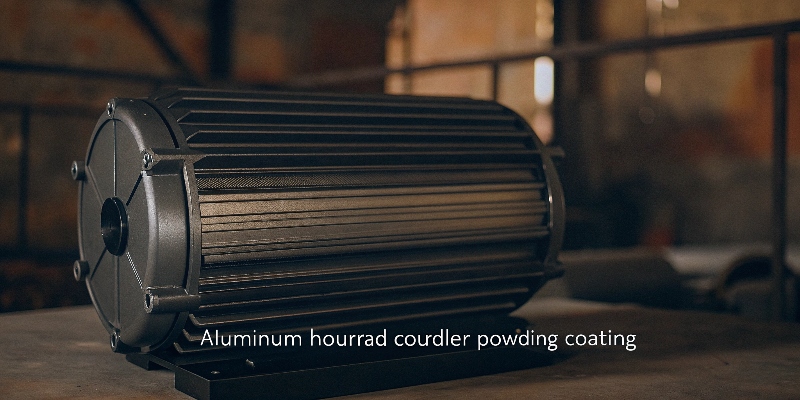
This is a common concern for Supplier Quality Engineers, and rightly so. The reliability of their final product depends on the long-term durability of every component. Aluminum has a great natural defense mechanism: when exposed to air, it instantly forms a very thin, tough, and transparent layer of aluminum oxide on its surface. This layer seals the metal underneath from the environment and prevents further oxidation. For most applications, this is sufficient. However, for an EV motor housing that will be bombarded with salt spray in the winter, we need more. The die casting process produces a smooth surface that is an ideal substrate for advanced coatings. We work with our customers to specify the right finish, most often a durable powder coat. This provides a robust barrier against corrosion, abrasion, and chipping, ensuring the housing looks good and performs its function for many years. It guarantees that the part will pass even the most rigorous salt spray tests required by automotive OEMs2.
Can Die Casting Create the Complex Shapes Needed for Modern Motors?
Modern EV motors are not simple cylinders. They require precise mounting points, integrated sensor ports, and complex internal structures to support bearings and seals. Machining these features from a solid block would be incredibly expensive and wasteful.
Yes, high-pressure die casting is the perfect process for producing the complex geometries required for EV motor housings. It allows for the creation of thin walls, intricate ribs, and net-shape features in a single, rapid production step.
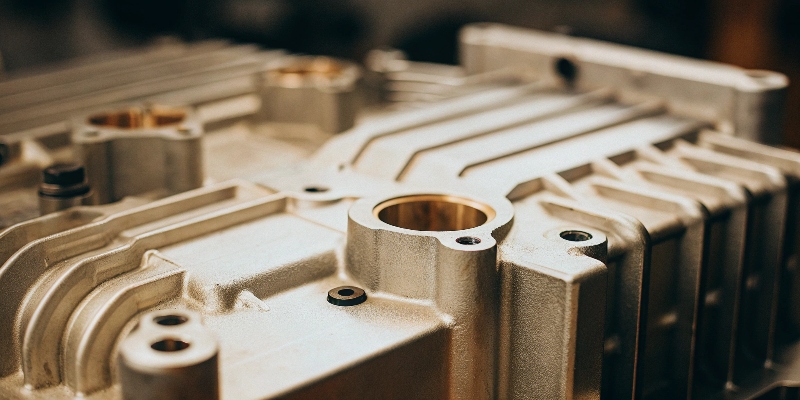
This is where the combination of aluminum and die casting truly shines. The design of an EV motor housing is a masterclass in integration. It’s not just an enclosure; it is a structural chassis for the entire drive unit. It has precise bores for bearings, mounting points for the inverter, ports for high-voltage connectors, and internal passages for lubrication or cooling. To create a part like this using any other method would be a nightmare of machining and assembly. With high-pressure die casting, we can create all of these features in a single "shot" that takes less than two minutes. The molten aluminum is forced into a hardened steel mold under immense pressure, capturing every detail of the design with incredible precision. This "net-shape" capability drastically reduces the need for secondary machining, which saves an enormous amount of time and money for my customers. It simplifies their supply chain and ensures perfect consistency from the first part to the hundred-thousandth.
Does Using Aluminum Align with Sustainability Goals?
Automakers are under immense pressure to improve the sustainability of their entire production process. Choosing a material that is energy-intensive to produce or difficult to recycle undermines the "green" promise of electric vehicles.
Absolutely. Aluminum is one of the most sustainable materials used in manufacturing. It is infinitely recyclable without losing its properties, and recycling it uses only 5% of the energy needed to produce new aluminum, fitting perfectly with circular economy goals.
This topic comes up in nearly every single meeting I have with my customers from Germany, Canada, and the US. They are not just buying a part; they are qualifying a sustainable supply chain. Aluminum is a champion of sustainability. First, its lightweight nature contributes to vehicle efficiency, which is a green benefit in itself. More importantly, aluminum is a core part of the circular economy. At the end of a vehicle’s life, the aluminum motor housing can be recovered, melted down, and used to create a new high-quality component. This recycling process uses about 95% less energy than producing primary aluminum from bauxite ore. Even within our own factory, we operate a closed-loop system. All the scrap material from the casting process—runners, overflows, biscuits—is immediately re-melted and reused. For a purchasing director, choosing aluminum is a safe bet that helps their company meet its environmental, social, and governance (ESG)3 targets. It’s a responsible choice for both the planet and their brand.
Conclusion
Aluminum’s unique blend of light weight, strength, thermal conductivity, and design flexibility makes it the ideal material for EV motor housings, directly supporting the performance, efficiency, and sustainability of electric vehicles.


